
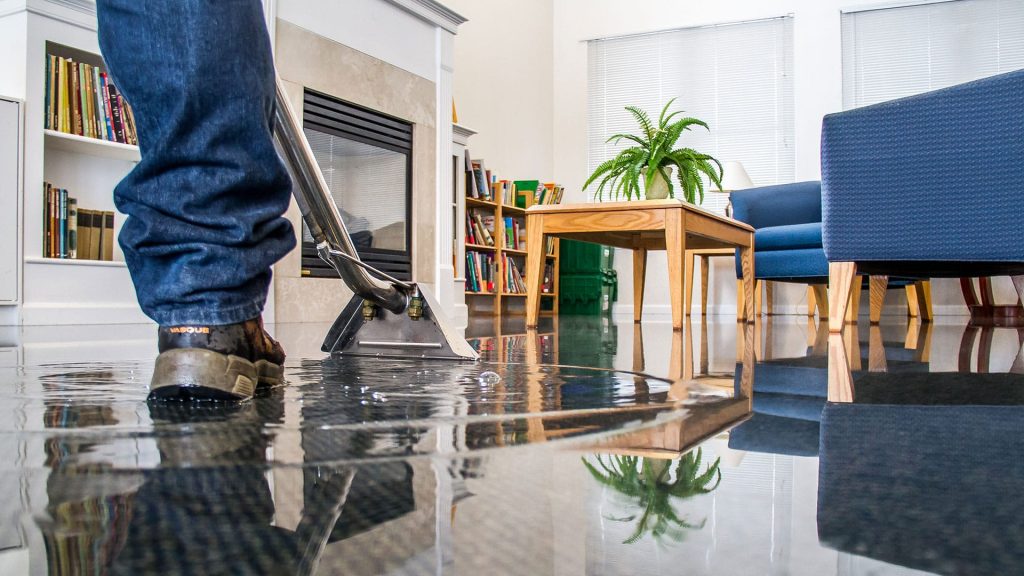
Water damage transforms your safe space into a crisis zone within minutes. Whether from a burst pipe, storm flooding, or appliance failure, knowing exactly what to do after water damage strikes can save thousands of dollars and prevent long-term complications. Every second counts when water invades your property, and swift action separates manageable situations from devastating losses that spiral out of control.
The moments following water damage discovery determine your recovery timeline, costs, and success. Professional restoration experts see the same pattern: homeowners who act quickly with the right steps recover faster and face fewer complications than those who hesitate or make critical mistakes.
Immediate Safety: Secure the Scene First
Before addressing standing water, prioritize safety above everything else. Turn off electricity to affected areas immediately if you can safely reach the main breaker panel without walking through water. Standing water and electrical systems create deadly combinations that claim lives every year.
Stop the water source if possible. Shut off your main water supply for burst pipes, or contact your utility company for external issues. During storm-related flooding, focus on safety and wait for dangerous conditions to pass before taking further action.
Document everything with photos and videos before moving items. This visual evidence becomes crucial for insurance claims and helps restoration professionals understand the complete damage scope from the moment discovery occurred.
Step 1: Contact Your Insurance Company Immediately
Call your insurance carrier within 24 hours of discovering water damage. Most policies require prompt notification, and delays complicate claims or void coverage entirely. When calling, provide clear details about what happened, when it occurred, and the extent of visible damage.
Ask specifically about coverage limits, deductibles, and temporary measures your policy covers. Understanding these details upfront prevents surprises during the restoration process and helps you make informed decisions about immediate actions.
Request information about preferred restoration contractors. Many insurers maintain networks of pre-approved companies that streamline the claims process and ensure proper documentation from day one.
Step 2: Begin Professional Water Removal and Damage Assessment
Time becomes your enemy once water saturates building materials. Contact professional restoration specialists immediately to begin water extraction using commercial-grade pumps and industrial wet vacuums. The longer water sits, the deeper it penetrates subflooring, wall cavities, and structural components. Professional crews will systematically remove furniture, electronics, and personal belongings to dry locations while documenting everything for insurance purposes. They’ll separate salvageable items from those clearly beyond repair, ensuring nothing gets discarded until your insurance adjuster evaluates the loss. Restoration professionals will establish proper ventilation by opening windows and doors when the weather permits to increase natural air circulation. This controlled ventilation helps prevent further damage and reduces humidity levels that accelerate mold growth throughout your property.
Step 3: Professional Drying and Moisture Control
After water damage occurs, aggressive drying efforts must begin immediately under professional supervision. Certified restoration technicians deploy industrial fans and commercial dehumidifiers to accelerate moisture removal from air and building materials. They position specialized equipment to create optimal airflow across wet surfaces using proven drying techniques. Professional teams remove wet drywall, insulation, and flooring materials that cannot dry adequately within 48 hours. These materials trap moisture and become breeding grounds for mold, bacteria, and structural decay that create serious health hazards. Restoration specialists monitor affected areas continuously during the first 72 hours using moisture meters and thermal imaging. They check for additional water intrusion signs, structural compromise, or developing mold growth that requires immediate specialized intervention.
Monitor affected areas continuously during the first 72 hours. Check for additional water intrusion signs, structural compromise, or developing mold growth that requires immediate professional intervention.
Working with Professional Water Damage Restoration Companies
Professional restoration teams bring specialized equipment and expertise that homeowners cannot replicate. Industrial-grade water extraction equipment, commercial dehumidifiers, and thermal imaging cameras identify hidden moisture that causes problems weeks or months later.
When choosing a restoration company, verify their certification, insurance coverage, and 24/7 emergency availability. The best companies coordinate directly with insurance carriers, handling documentation and communication throughout the entire claims process.
Insurcomm Restoration exemplifies this comprehensive approach to water damage restoration. Founded by Neil Robbins after witnessing how other companies abandoned customers after initial cleanup, Insurcomm manages the complete recovery process from emergency response through final reconstruction, ensuring nothing falls through the cracks.
Understanding the Complete Restoration Process
The damage restoration process follows systematic phases that address both visible damage and hidden threats. Professional assessment identifies all affected materials, including moisture behind walls and under flooring, where problems develop unseen.
Comprehensive water damage restoration involves extraction, structural drying, dehumidification, cleaning and sanitizing, and reconstruction. Each phase builds upon previous work, making proper execution of early steps critical for long-term success.
Advanced moisture detection equipment maps exactly where water traveled throughout your property. This precision prevents incomplete drying that leads to costly callbacks, recurring problems, and health hazards months later.
Insurance Coverage and Professional Documentation
Most homeowner policies cover sudden and accidental water damage, but coverage varies significantly between carriers and policy types. Gradual leaks, maintenance issues, and flood-related damage often require separate coverage or aren’t covered at all.
Professional restoration companies experienced in insurance work streamline claims by providing detailed documentation, accurate estimates, and direct adjuster communication. This coordination reduces homeowner stress while ensuring all covered work receives proper documentation and approval.
Keep detailed records of temporary living expenses if your home becomes uninhabitable. Many policies cover additional living expenses during repairs, but proper documentation determines reimbursement success.
Long-Term Recovery and Prevention
After water damage restoration concludes, implement prevention measures to avoid future incidents. Regular plumbing inspections, appliance maintenance, and roof repairs prevent many common water damage causes.
Install water detection systems near appliances, in basements, and around plumbing fixtures. Early warning systems alert you to problems before they become major disasters requiring extensive restoration.
Consider upgrading to water-resistant materials during reconstruction. Modern flooring, insulation, and building materials offer better moisture resistance than traditional options.
Frequently Asked Questions
Will insurance cover my water damage?
Coverage depends on the water source and your specific policy terms. Sudden pipe bursts typically receive coverage, while gradual leaks and flood damage often don’t. Review your policy details or consult your agent immediately.
How quickly does mold grow after water damage?
Mold begins growing within 24-48 hours under optimal conditions. High humidity, warm temperatures, and organic materials create perfect breeding environments, making rapid professional response essential for prevention.
Can I handle water damage cleanup myself?
Minor incidents might be manageable with proper equipment and knowledge. However, significant water damage requires professional equipment, expertise, and insurance coordination that homeowners cannot provide safely or effectively.
Your Complete Recovery Partner
When water damage strikes, you need more than emergency cleanup—you need a complete restoration partner that handles every recovery aspect. Insurcomm Restoration provides comprehensive services from initial water extraction through final reconstruction, plus complete insurance claim management under one roof.
Don’t face water damage recovery alone or juggle multiple contractors during an already stressful situation. Call Insurcomm at (800) 503-9533 for immediate 24/7 emergency response and complete restoration services that make everything right when everything goes wrong.