
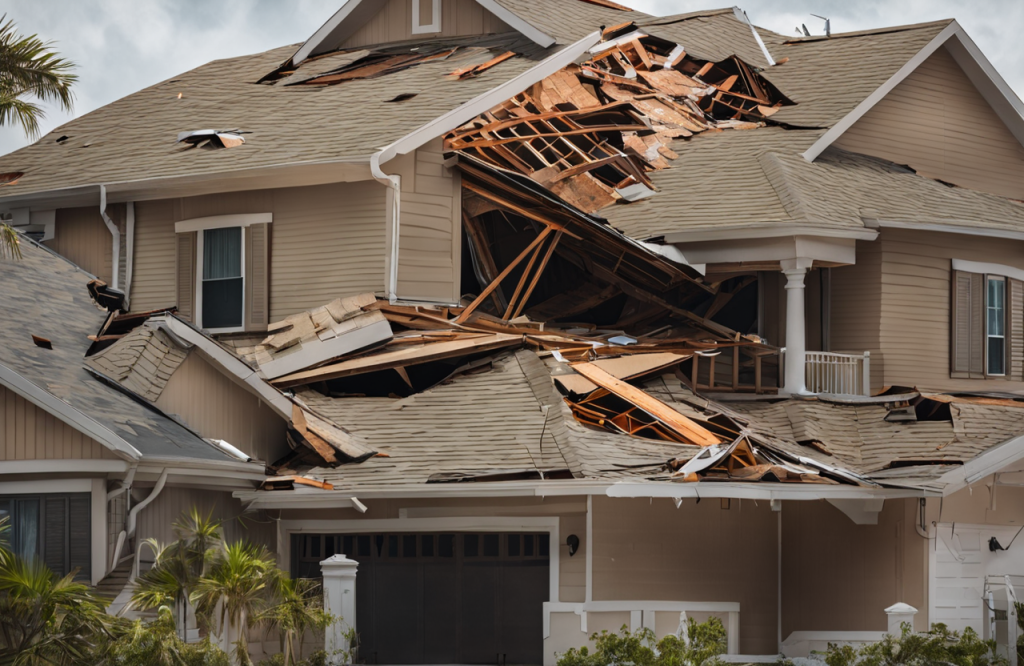
After a fire, flood, or bad storm, most people want to get back inside as soon as they can. You want to see what’s left and start saving what you can. That’s completely understandable.
A building that’s still standing isn’t automatically safe, though, and the most dangerous damage is often the kind you can’t see from the front door. Before you go in, it helps to know what to look for and when to wait for a professional.
Why Structural Safety Comes First
Disasters can weaken the parts of a building that hold it up. Fire can weaken beams and posts that still look solid. Floodwater can wash out soil under a foundation and soak load-bearing framing. High winds and fallen trees can shift a structure in ways that don’t show until weight goes back on a floor or roof.
Going in too early can turn a property loss into an injury.
Warning Signs You Can Spot Yourself
Check from outside first, and keep your distance. Stay out and call a professional if you notice any of these:
- Walls that lean or a structure that looks out of line
- A sagging roofline, ceiling, or floor (a sagging ceiling often means water is trapped above it)
- New cracks in the foundation or walls, or existing cracks that have gotten wider
- Doors and windows that suddenly stick or won’t close
- Charred beams, posts, or floor joists after a fire
These signs matter even more after major storm damage, when wind, water, and debris may have all hit the building at once.
Other Hazards That Should Keep You Out
Some reasons to stay out have nothing to do with the structure. Damaged electrical systems, gas leaks, and contaminated floodwater are all serious risks. If you smell gas, leave and call the utility from a safe distance.
When you’re unsure, treat a badly damaged building as unsafe until a qualified professional tells you otherwise.
What a Professional Assessment Looks At
A structural assessment checks whether the building can safely carry its own weight, plus the weight of people and equipment. The assessor looks for damaged framing, foundation problems, and anything that needs support before work or re-entry can happen. You get a clear answer about what’s safe instead of a guess.
Shoring and Stabilization
If a building is damaged but can be saved, structural shoring and stabilization make it safe to work in. Temporary supports hold up weakened areas, and stabilization keeps the structure from moving any further. Emergency board-up closes openings against weather and intruders while the recovery is planned.
This work is often what keeps a damaged building from becoming a total loss.
How Insurcomm Handles Structural Recovery
Structural work is part of our full recovery process, so you don’t have to go find another company to handle it. Our crews respond 24/7. We assess the building, stabilize it, secure it, and carry the project through reconstruction, documenting each stage for your insurance company along the way.
If your property is badly damaged and you aren’t sure it’s safe, don’t go in. Contact Insurcomm or call (888) 728-0353 for an emergency assessment.
Frequently Asked Questions
How do I know if my house is safe to enter after a flood or fire?
From a safe distance, look for leaning walls, sagging floors, ceilings, or rooflines, new or widening cracks, doors and windows that stick, and charred beams after a fire. If you see any of these, stay out and have a professional assess the building first.
What are the biggest hazards when going back into a damaged building?
The biggest risks are structural instability, damaged electrical systems, gas leaks, and contaminated floodwater. Treat a badly damaged building as unsafe until a qualified professional confirms it’s safe.
What is structural shoring and stabilization?
Shoring uses temporary supports to hold up weakened parts of a building, and stabilization keeps the structure from moving further. Together with emergency board-up, they make a damaged building safe to work in.
Can a building with structural damage be saved?
Often, yes. If the damage is serious but not catastrophic, a professional assessment followed by shoring and stabilization can make the building safe to repair instead of tearing it down.