
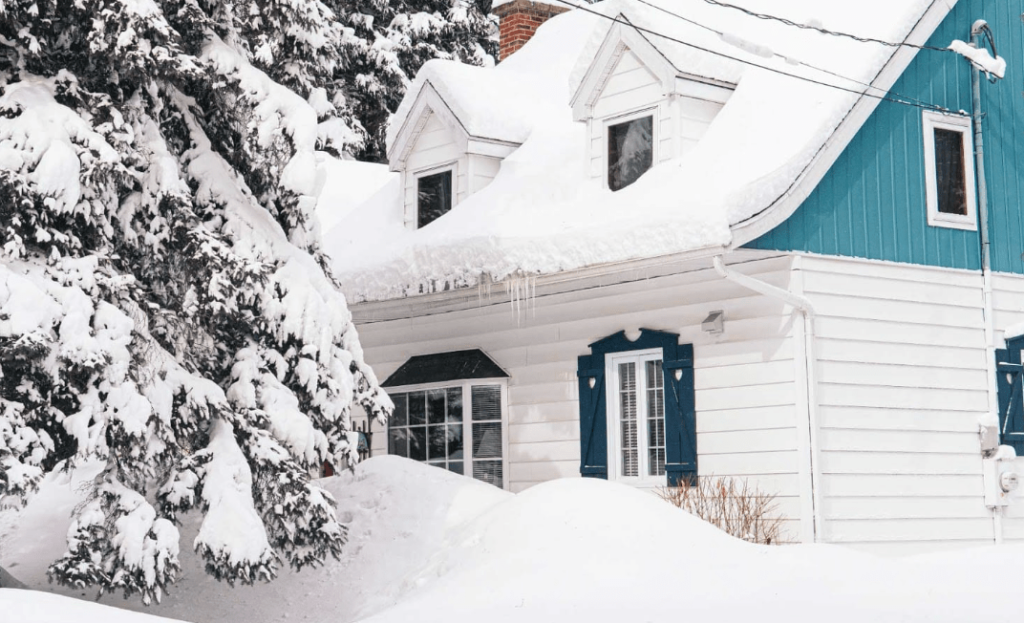
Every fall, thousands of homes across New Hampshire’s lakes region, the Maine coast, and the Jersey Shore close up for the season. Rental units sit empty between tenants, estate properties wait to be sold, and some commercial spaces shut down until spring. An empty building goes through the same winter as everyone else’s, with one big difference: nobody is there to notice when something goes wrong.
When a pipe bursts in an occupied home, someone usually hears it or sees it within minutes. In an empty home, it can run for days or weeks before anyone finds it. That lost time is what turns a simple plumbing repair into soaked floors, fallen ceilings, and mold throughout the house.
Winterizing an empty property comes down to one goal. If something does fail, you want it to stay small.
Heat It, Drain It, or Both
There are two main ways to protect the plumbing in an empty property. The right choice depends on how long it will sit empty, how it’s heated, and whether anyone will be checking on it.
Keep the heat on. Many owners leave the heat running at a lower setting. A common recommendation is to keep it no lower than 55°F. Leave interior doors open, along with the cabinet doors under sinks on outside walls, so warm air can reach the pipes. This only works if the heating system and fuel supply hold up all winter, so pair it with remote temperature alerts.
Winterize the plumbing. If the property will be empty all season, draining the water system removes the risk completely. With no water in the pipes, there’s nothing to freeze. Have a licensed plumber do this, especially in older homes and homes with wells, boilers, or hot water (hydronic) heat. Those systems need their own winterizing plan.
Plenty of owners do both. They drain the plumbing and leave the heat on low to protect finishes, cut down on condensation, and keep the house from getting cold enough to cause other problems.
How the Water System Gets Drained
If you’re winterizing the plumbing, the process usually looks like this. Your plumber will adjust it for your home.
- Turn off the main water valve where the line enters the building. If you have a well, turn off the pump at the breaker.
- Turn off the water heater using the manufacturer’s instructions, then drain it.
- Open every faucet, hot and cold, starting on the top floor and working down. Leave them open.
- Flush the toilets and remove as much water as you can from the tanks and bowls.
- Have the lines blown out with compressed air to clear any water left in low spots.
- Pour non-toxic plumbing antifreeze into sink, tub, and floor drains and toilet bowls so the traps don’t freeze and crack.
- Disconnect and drain garden hoses, and shut off and drain outdoor spigots.
Protect the Outside of the Building
Plumbing isn’t the only way water gets in. Snow, ice, and winter rain find their way into buildings that nobody is watching.
- Clean out gutters and downspouts so melting snow drains away from the foundation. Our fall home maintenance guide walks through this.
- Get damaged or missing shingles and flashing repaired before the snow comes. Poor attic insulation and ventilation are the main causes of ice dams, which we cover in our ice dam prevention guide.
- Seal gaps where pipes and wires enter the foundation, along with crawl space openings and vents that let cold air reach the plumbing.
- Test the sump pump and consider adding a battery backup. If the pump fails during a January thaw, the basement can flood and stay flooded for weeks before anyone sees it.
Set Up Alerts, and Have Someone Check In
Smart home devices make empty properties much easier to keep an eye on. A connected thermostat can send you an alert if the temperature drops. Leak sensors near the water heater, under sinks, and in the basement can warn you the moment they get wet. Automatic shutoff valves can close the water main on their own if they detect a leak.
Technology helps, but it doesn’t replace a person. Ask someone you trust to walk through the property on a regular schedule, and always after storms, long cold stretches, and power outages.
Look at your insurance policy before you leave, too. Many policies have rules that apply when a building is vacant or unoccupied for a long time, and some expect the heat to stay on or the property to be checked regularly. A quick call with your agent now can save you trouble later.
Commercial Buildings and Rentals Between Tenants
Property managers and building owners face the same risks, often across several units or buildings. A few more things to plan for:
- Fire sprinkler systems. Wet-pipe sprinkler lines that run through unheated areas can freeze and break. Have a fire protection contractor inspect the system before winter, and never shut off or drain a sprinkler system without proper authorization.
- Holiday closures. A store or office that closes for the last week of December is exactly where a frozen pipe goes unnoticed. Build a shutdown checklist and a walk-through schedule.
- An emergency plan. Decide who you’ll call before something happens. Insurcomm’s Emergency Response Plan program sets up your restoration partner, building information, and response steps ahead of time.
Learn more about how we work with commercial property owners and managers.
If You Find Water Damage When You Get Back
If you walk in to water on the floor, a sagging ceiling, or a musty smell, act quickly and in this order:
- Turn off the main water valve if it isn’t already off.
- Stay away from water near outlets or the electrical panel, and stay out from under sagging ceilings.
- Take photos and video of everything before you touch or move anything.
- Call a restoration company and your insurance agent.
Water from a leak that ran for days or weeks has almost always spread further than you can see, into wall cavities, subfloors, and insulation. Mold has often had time to start, too. Professional water extraction and drying uses moisture mapping to find the hidden water, and if mold is present, our mold remediation follows IICRC standards to remove it safely. Good insurance documentation from day one keeps your claim on solid ground.
Before You Leave: A Quick Checklist
- Decide whether you’ll keep the heat on, drain the plumbing, or both
- Water main off, lines drained, and drain traps protected (if winterizing)
- Water heater off and drained
- Hoses disconnected and outdoor spigots drained
- Gutters cleaned, roof checked, and gaps sealed
- Sump pump tested, with a backup in place
- Leak sensors and temperature alerts installed and tested
- Someone lined up to check on the property
- Insurance agent called about vacancy rules in your policy
- Insurcomm’s 24/7 number saved in your phone: (888) 728-0353
We’re Here All Winter
Even well-prepared buildings get damaged sometimes. When it happens, Insurcomm responds 24/7 and handles the water removal, drying, documentation, insurance coordination, and rebuild as one project. Find your nearest Insurcomm location or call (888) 728-0353.
Frequently Asked Questions
What temperature should I keep a vacant house at in winter?
A common recommendation is to keep the heat no lower than 55°F and leave interior doors and under-sink cabinet doors open so warm air reaches the pipes. For homes that will be empty all season, draining the plumbing gives you more protection, and remote temperature alerts are a smart addition either way.
Should I drain the pipes in my seasonal home?
If the home will be empty for the winter, draining the water system removes the risk of frozen and burst pipes. Have a licensed plumber handle it, especially if your home has a well, a boiler, or hot water heat.
How often should someone check on a vacant property in winter?
On a regular schedule, and always after storms, long cold stretches, and power outages. Some insurance policies have expectations about checks on vacant properties, so review yours with your agent.
Does insurance cover water damage in a vacant home?
It depends on your policy. Many property policies have rules that apply when a building is vacant or unoccupied for an extended period. Review your policy and talk with your agent before you leave for the season.
What should I do if I find water damage when I return to my property?
Turn off the main water valve, stay away from electrical hazards and sagging ceilings, photograph everything before moving anything, and call a restoration company and your insurance agent. Insurcomm handles water removal, drying, mold remediation, documentation, and rebuilding as one project.