
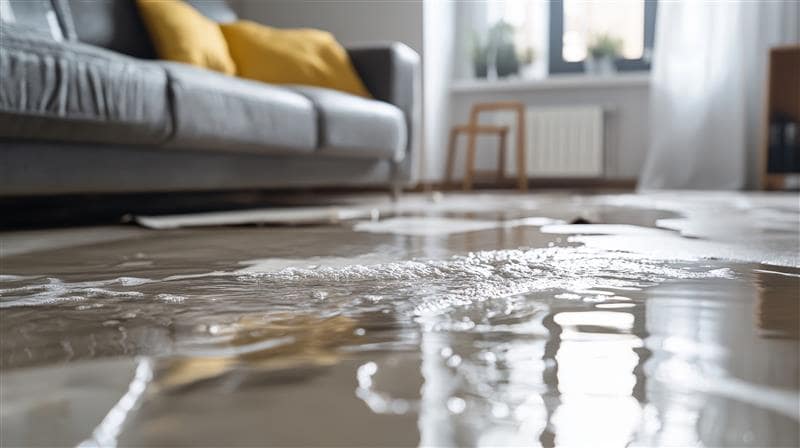
Summer storms can arrive quickly, dropping inches of rain in a matter of hours and turning quiet streets into fast-moving waterways. For homeowners across the Northeast and Mid-Atlantic, flash floods represent one of the most sudden and disruptive threats of the season. The good news is that preparation makes all the difference. With a few proactive steps, you can protect your property, your belongings, and your peace of mind before the next storm rolls in.
This guide walks you through practical flood preparedness measures and shows you what to do if prevention isn’t enough.
Why Flash Floods Demand Your Attention
Flash floods develop fast, often with limited warning. A summer downpour combined with saturated ground, clogged storm drains, or nearby rivers can send water toward your home before conditions outside look severe. Low-lying properties, finished basements, and homes near coastal or riverine areas face the highest risk.
Understanding this is the first step. Taking action before the forecast turns severe is the second.
Proactive Steps Every Homeowner Should Take
Maintain Your Sump Pump
Your sump pump is your basement’s first line of defense. Test it regularly by pouring water into the pit to confirm it activates and drains properly. Clean the inlet screen, check the discharge line for obstructions, and consider a battery backup system—power outages and heavy storms often arrive together.
A well-maintained sump pump can mean the difference between a dry basement and hours of water extraction. Routine maintenance keeps it ready when you need it most.
Cover Basement Waterproofing Basics
Water finds the path of least resistance. Inspect your foundation for cracks and seal them with appropriate masonry products. Apply waterproof coatings to interior basement walls where moisture tends to seep through.
Make sure the ground around your foundation slopes away from the house. Even a slight grade toward your home can direct water into the basement during a downpour.
Clear Gutters and Downspouts
Clogged gutters overflow and send water pooling at your foundation. Clear debris at the start of the season and after major storms. Extend downspouts at least four to six feet from your foundation so rainwater discharges well away from the house—a simple adjustment that significantly reduces the risk of water intrusion.
Know Where Your Main Water Shutoff Is
Summer storms can also stress your plumbing. Locate your main water shutoff valve now, not in the middle of an emergency. Make sure every adult in your household knows where it is and how to operate it.
Document Your Belongings for Insurance
Before any storm threatens, create a thorough record of your possessions. Walk through your home and capture photos or video of furniture, electronics, appliances, and valuables. Store this documentation in the cloud or another off-site location.
If flooding does occur, this record streamlines your insurance claim and helps ensure nothing is overlooked during recovery.
Build Your Evacuation Plan Before You Need It
Even the most well-prepared home can’t always stand against rapidly rising water. Having a plan in place protects what matters most.
Identify Higher Ground
Know the routes to higher ground from your neighborhood. Flash floods can make familiar roads impassable, so map out multiple paths to safety in advance.
Prepare an Emergency Kit
Assemble a kit with drinking water, non-perishable food, medications, flashlights, batteries, and important documents in a waterproof container. Plan for at least three days’ worth of water per person.
Practice Your Plan
An evacuation plan only works if everyone knows it. Review it with your household, designate a meeting point, and remember: never attempt to drive or walk through fast-moving water. Even a few inches can sweep a person off their feet, and a foot of moving water can carry away a vehicle.
When Prevention Isn’t Enough
Despite your best efforts, some storms overwhelm even well-protected homes. If water enters your property, prioritize safety first. Avoid electrical hazards, stay out of standing water near outlets or appliances, and wait for conditions to stabilize before assessing damage.
Once it’s safe, document everything before moving belongings. Contact your insurance carrier promptly and begin coordinating professional help.
This is where speed matters. Water that sits invites mold, weakens structural materials, and can compromise your home’s integrity within 24 to 48 hours.
How Insurcomm Helps You Recover
When flood damage strikes, you need more than cleanup—you need a complete recovery partner. Insurcomm provides everything from emergency water extraction and structural drying to full reconstruction, all while managing your insurance claim from start to finish.
Our team brings industrial-grade equipment, advanced moisture detection, and deep insurance expertise to every job. The goal isn’t just to restore your property—it’s to make sure everything goes right, even when everything went wrong.
Stay Ready, Stay Protected
Summer storm preparedness comes down to consistent, proactive action: maintain your sump pump, waterproof your basement, clear your gutters, know your shutoffs, document your belongings, and build an evacuation plan.
And if the water wins this round, you don’t have to face recovery alone. Call Insurcomm at (844) 424-9283 for 24/7 emergency response and complete restoration services.