
If you’ve recently experienced a fire, flood, or major water loss, you may have heard the term “contents packout” from a restoration company or your insurance adjuster. It’s worth understanding exactly what it means because how your belongings are handled in the days after property damage can determine whether they’re restored or replaced.
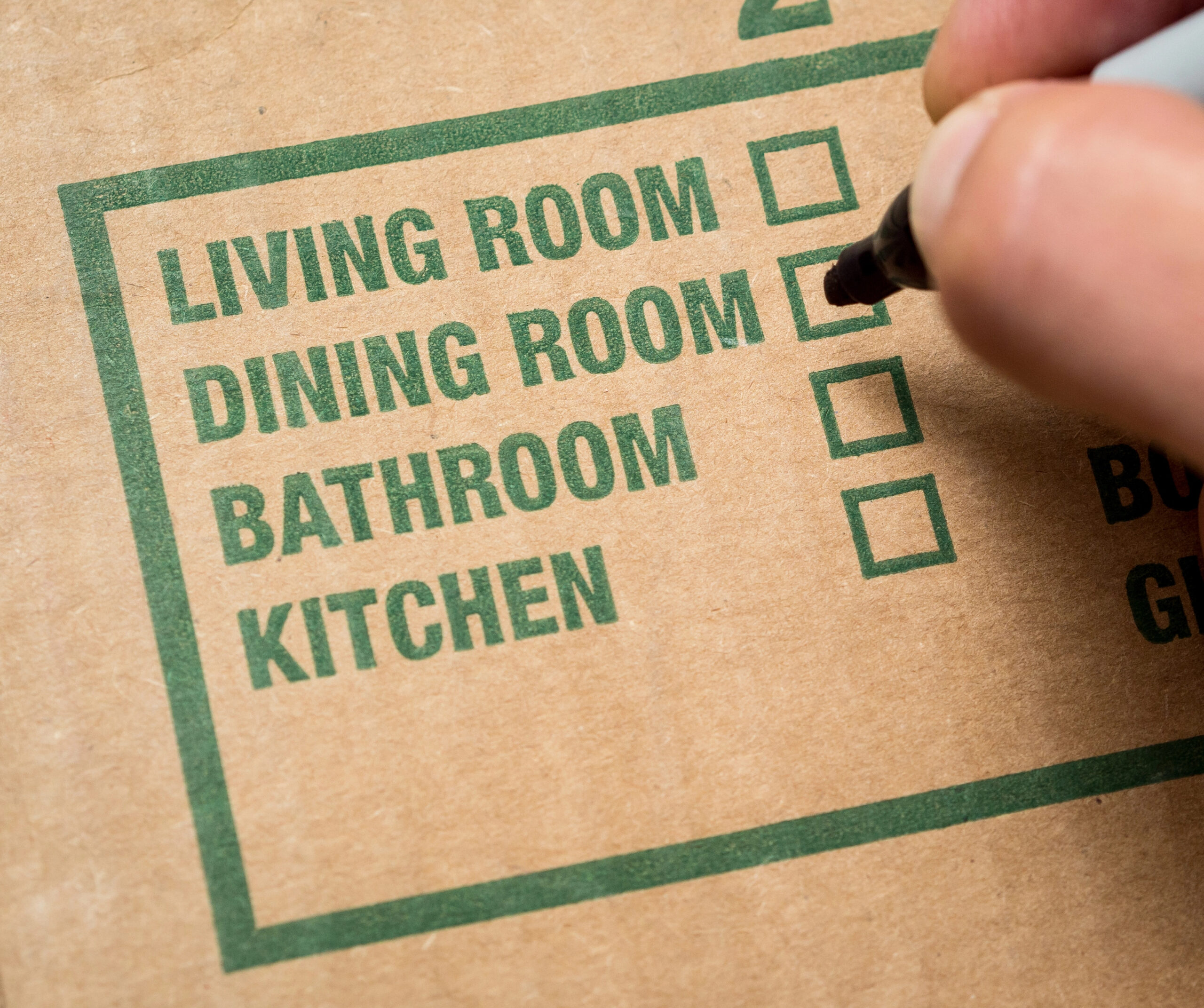
A contents packout is the systematic process of removing your personal belongings from a damaged property, inventorying and documenting each item, cleaning and restoring them in a controlled facility, and returning them once your property is ready. It’s not just moving your things out of the way; it’s an active part of the restoration process, and for many homeowners, it’s where the most personally significant recovery happens.
What Gets Packed Out and Why
Virtually everything in an affected area is a candidate for packout: furniture, electronics, clothing, artwork, documents, photographs, kitchen items, and personal belongings of all kinds. The decision to pack out a specific item depends on the type of loss, the extent of exposure, and how long the item has been in contact with contaminants.
Items exposed to smoke must be removed from the property quickly. Every hour they remain in a smoke-affected environment, particles continue to penetrate deeper into porous materials, such as upholstery, wood, paper, and fabric. Items exposed to water face a different but equally urgent timeline: mold can begin to develop within 24 to 48 hours, and items that aren’t dried properly during that window are often unrecoverable.
Removing contents early also creates the clear space restoration teams need to work on the structure itself — drying walls, treating subfloors, remediating affected areas — without risking further damage to your belongings in the process.
How Contents Are Cleaned and Restored
Cleaning and restoring damaged contents is specialized work. The techniques required vary significantly by item type and the nature of the damage.
Fire and smoke-damaged items are processed using ultrasonic cleaning for electronics and hard surfaces, ozone treatment and thermal fogging for odor elimination, and specialized textile restoration for clothing and upholstery. Hydroxyl generators neutralize odor molecules at the molecular level, reaching embedded contamination that surface cleaning won’t touch.
Water-damaged items require industrial drying, antimicrobial treatment, and humidity-controlled environments to prevent mold from developing during the restoration process. Documents and photographs — items that are often irreplaceable — can frequently be recovered using freeze-drying techniques that prevent further deterioration while moisture is removed.
All of this happens in a controlled facility environment with filtered air, stable temperature and humidity, and equipment purpose-built for the work. It’s a fundamentally different level of care than anything that can be achieved on-site in an active restoration zone.
Insurance Documentation: Why Packout and Claims Go Hand in Hand
One of the most important functions of a professional packout is the documentation it produces. Every item removed from your property receives individual documentation: photographs, condition assessment, description, and, where relevant, estimated replacement value. This creates the itemized inventory your insurance carrier needs to process your contents claim accurately.
Digital tracking systems follow each item through the cleaning and restoration process. Barcode systems and cloud-based databases give you and your adjuster real-time visibility into what’s been removed, what’s being treated, and what the restoration outcome is for each item.
Insurcomm manages contents packout and insurance documentation as a single integrated workflow, not two separate processes that have to be reconciled later. The documentation produced during packout feeds directly into the claims process, which means fewer gaps, fewer disputes, and a faster path to settlement. For items that cannot be restored, detailed condition documentation supports replacement claims without ambiguity.
This is one of the most meaningful ways Insurcomm simplifies the recovery experience for homeowners: the paperwork and the restoration move together, handled by one team.
The Return Process
Items return to your property only after restoration work is complete and the environment is safe. Timing is coordinated carefully. Returning clean contents to a space that still has dust, paint fumes, or residual moisture would undo the work done to restore them.
The return follows the same systematic approach as removal. Teams reference original photographs and inventory records to place items back where they belong. Every returned item has been through a final quality inspection. Items that couldn’t be fully restored are documented for insurance replacement rather than quietly returned in substandard condition.
Why This Matters More Than Most People Realize
Many homeowners don’t think about their belongings until after structural restoration is already underway, by which point some items may be unrecoverable. The window for contents protection is short, and it opens at the same time as everything else that needs attention after a loss.
DIY content removal, even when well-intentioned, frequently causes secondary damage: improper handling, inadequate storage conditions, and cross-contamination between smoke-affected and unaffected items. Professional packout teams understand how different materials respond to different types of damage, and they act on that knowledge from the first item they touch.
When everything goes wrong, Insurcomm’s team is dedicated to making sure everything goes right, including the things that matter most to you personally.
Protect What Matters Most
If your property has been affected by fire, water, or storm damage, don’t wait on your contents. The sooner items are removed from a contaminated environment and treated properly, the better the restoration outcomes and the stronger your insurance documentation.
Call Insurcomm at (800) 503-9533 for immediate contents packout services and complete restoration support from assessment through item return.