
When winter brings heavy snow and freezing temperatures, many homeowners face a hidden threat: ice dams. These ridges of ice that form along the edge of your roof can cause serious water damage if not addressed quickly. The good news is that with proper ice dam prevention and safe removal techniques, you can protect your home from costly repairs.
Understanding how ice dams form and knowing what to do if they appear is the first step toward safeguarding your property during the colder months.
What Is An Ice Dam?
An ice dam forms when snow on your roof melts unevenly and then refreezes near the roof’s edge. This typically happens because warm air from inside the home escapes into the attic, heating sections of the roof. Snow in those warmer areas melts and flows downward. When it reaches the colder eaves, it refreezes, forming a barrier of ice.
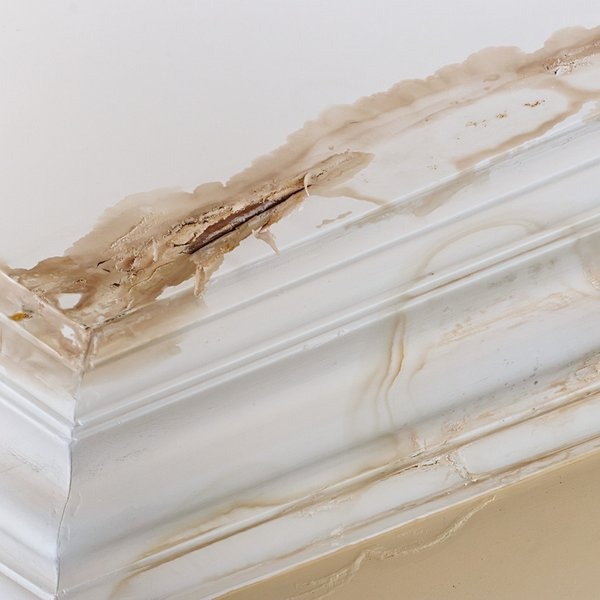
As the ice builds up, it prevents proper drainage. Water backs up behind the dam and can seep under shingles, leading to roof leaks, insulation damage, stained ceilings, warped flooring, and even mold growth. In severe cases, the added weight of ice can strain gutters, fascia boards, and soffits.
Because the damage often occurs out of sight, homeowners may not realize there’s a problem until water stains or leaks appear inside.
What Causes Ice Dams to Form?
Ice dams are usually the result of inconsistent roof temperatures. Several factors contribute to this issue:
- Poor attic insulation, allowing heat to escape
- Inadequate ventilation, which traps warm air
- Air leaks around chimneys, vents, and light fixtures
- Heavy snowfall followed by freezing temperatures
- Shaded areas caused by trees or nearby structures
Effective ice dam prevention starts by addressing these underlying causes.
How to Prevent Ice Dams on Your Roof
The key to preventing ice dams is maintaining a consistently cold roof surface during winter. Here are proven strategies to reduce your risk:
Improve Attic Insulation
Proper insulation limits heat transfer from your living space into the attic. Evenly distributed, high-quality insulation helps maintain consistent roof temperatures and minimizes melting.
Enhance Ventilation
Balanced attic ventilation allows cold air to circulate and pushes warm air out. Ridge vents, soffit vents, and attic fans can all help regulate airflow and support ice dam prevention.
Seal Air Leaks
Warm air often escapes through small gaps around plumbing stacks, chimneys, recessed lighting, and attic hatches. Sealing these openings prevents heat from warming the roof deck.
Maintain Gutters and Roof Edges
Clogged gutters can worsen ice buildup. Keep gutters clear of debris before winter begins.
Trim Overhanging Tree Branches
Branches that create shaded roof areas can lead to uneven melting. Trimming them promotes more uniform exposure to sunlight.
Taking these steps before winter arrives significantly reduces the likelihood of ice dam formation.
How to Remove Ice Dams Safely
If an ice dam has already formed, it’s important to avoid methods that could cause further damage. Many homeowners search for how to remove ice dams quickly, but improper removal can harm shingles or create additional leaks.
Here are safer approaches:
Use a Roof Rake
A long-handled roof rake allows you to remove snow from the edge of your roof while standing safely on the ground. Removing excess snow reduces the amount of water that can refreeze and worsen the dam.
Apply Calcium Chloride Deicer
Unlike rock salt, calcium chloride can help melt channels through the ice. Place the deicer inside a nylon stocking and position it vertically across the ice dam to create a drainage path. Avoid traditional salt, as it can damage roofing materials and landscaping.
Avoid Sharp Tools
Never chip away at ice with an axe or ice pick. This can puncture shingles and lead to more extensive roof damage.
Call Professionals for Large or Persistent Ice Dams
In severe cases, professional steam removal may be necessary. Experts can safely eliminate the buildup without compromising your roofing system.
Knowing how to remove ice dams properly reduces the risk of further structural damage.
Signs You May Need Repairs
Even with quick action, ice dams can cause hidden damage. Watch for:
- Water stains on ceilings or walls
- Peeling paint or bubbling drywall
- Damp insulation in the attic
- Mold or mildew odors
- Sagging gutters
Ice dam damage often extends beyond visible leaks. Water can travel along beams and insulation before appearing inside the home. Prompt restoration helps prevent long-term structural issues.
What to Do If Ice Dams Cause Water Damage
If you discover water intrusion, acting quickly is critical. Water damage can escalate rapidly, especially during ongoing winter conditions.
Professional restoration services can:
- Extract standing water
- Dry affected materials
- Prevent mold growth
- Repair damaged drywall and flooring
- Restore structural components
Addressing the issue early can significantly reduce repair costs and protect your home’s integrity.
Prepare Your Home Before Winter Arrives
The best defense against ice dams is preparation. Schedule an attic inspection before cold weather sets in. Ensure insulation levels meet recommended standards, ventilation systems are functioning properly, and any air leaks are sealed.
During winter, monitor your roof after major snowfalls. If you notice heavy buildup along the eaves, take proactive steps to remove snow before an ice dam forms.
Consistent maintenance and vigilance are essential components of effective ice dam prevention.
Contact Insurcomm for Ice Dam Damage Repair
While prevention efforts go a long way, severe winter weather can still lead to unexpected problems. If ice dams have caused roof leaks or water damage in your home, Insurcomm provides fast, professional restoration services to help protect your property.
Our experienced team responds quickly, mitigates damage, and restores affected areas with care and precision. Don’t let winter weather compromise your home’s safety.
Contact Insurcomm today to learn more about ice dam damage repair and restoration services.