
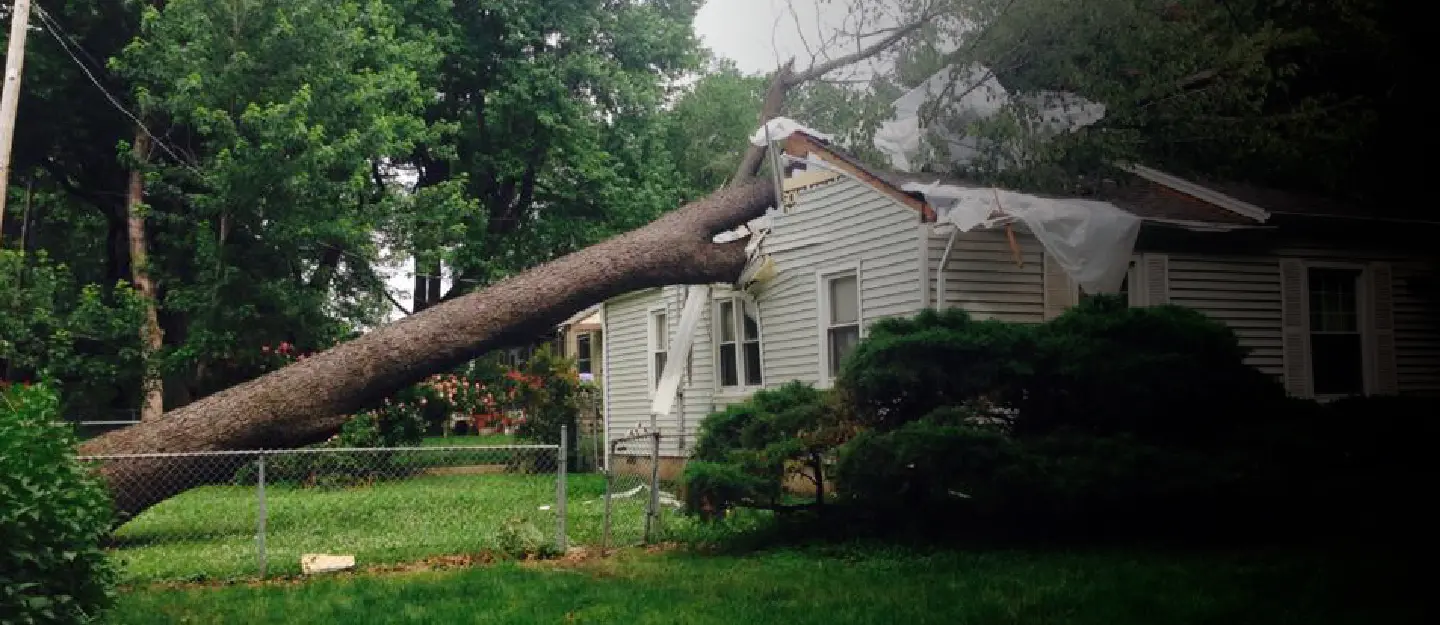
When a storm damages your home or business, not knowing what comes next can be as stressful as the damage itself. Who do you call? What will they actually do? How long until the water stops coming in?
This is what the first 24 hours look like when you call Insurcomm after a storm. We’ll walk through what we do, the order we do it in, and why each step matters for your property and your insurance claim.
The First Call
It starts with a phone call, any time of day or night. Our team is available 24/7.
On that call, we’ll ask a few questions. Is everyone safe? Is water still coming in? Is there a tree on the roof, broken windows, or other structural damage? Is the power on? Your answers tell us which crew and equipment to send, whether that’s tarps and plywood, water extraction equipment, or all of it.
We’ll also tell you what to do while you wait. Stay out of any area that looks unsafe, keep away from standing water near outlets or appliances, and if you can do it safely, start taking photos.
Arrival and Safety Check
When our crew arrives, the first thing we do is walk the property and check for hazards. We look for structural damage, electrical risks, gas leaks, and contaminated water. Nobody goes into a space, our own crew included, until we know it’s safe.
If a fallen tree, partial roof collapse, or soaked framing has seriously weakened the building, structural shoring and stabilization come first.
Securing the Building
Next, we stop the storm from doing more damage. We tarp open sections of roof, provide emergency board-up for broken windows and doors, and close any other openings where rain, wind, or intruders could get in.
This step protects your claim as well as your building. Most insurance policies expect property owners to take reasonable steps to prevent more damage after a loss. When we secure the property quickly and document the work, your insurance company can see those steps were taken.
Water Extraction and Drying
If stormwater got inside, we start removing it as soon as the building is secure. Truck-mounted or portable equipment pulls out the standing water. Then we use moisture meters and thermal imaging to find water that has moved into walls, under floors, and into ceilings.
From there, we set up commercial air movers and dehumidifiers based on a drying plan for your building. Storm water often carries contaminants from outside, so we handle it differently than a clean leak from a supply line. Speed matters here, since mold can start growing on wet materials within 24 to 48 hours. Learn more about our water extraction and drying process.
Documentation Starts on Day One
The whole time we’re working, we’re documenting. We take photos and video before and during the work, record moisture readings, note which materials are affected, and build out the scope of what needs to be done. Your insurance claim is built on this record.
We explain why it matters how proper documentation protects your insurance claim, and what goes into a professional water damage assessment.
Starting Your Insurance Claim
Within the first day, we help you get your claim started. We’ll help you contact your insurance company and send over the first round of documentation. After that, we work directly with your adjuster, so you won’t have to relay messages or try to explain moisture readings over the phone.
Insurance coordination is the reason Insurcomm exists. Our founder, Neil Robbins, watched too many restoration companies finish the cleanup and then leave property owners to deal with the claim and the rebuild on their own. He started Insurcomm to handle all of it. See how our insurance coordination works.
Debris, Belongings, and Site Cleanup
Storms leave a mess behind, from branches and broken glass to shingles and damaged building materials. Disaster site cleanup clears the property so the rest of the work can happen safely.
Inside, we start sorting through your belongings. Anything at risk of more damage gets moved, covered, or packed out for offsite cleaning and storage, and it’s all inventoried for your claim. If you need a full contents packout, we’ll plan it with you.
Where Things Stand After 24 Hours
By the end of the first day, you should have:
- A building that’s tarped, boarded up, and protected from more weather
- Standing water removed and professional drying underway
- Belongings protected, documented, and moved to safety where needed
- A detailed record of the damage and the work we’ve done
- Your insurance claim started, with us talking directly to your adjuster
- A clear plan for what comes next and one point of contact for all of it
From there, the project moves into confirming the building is dry, then repairs and full reconstruction, all handled by the same team. You won’t have to start over with a new contractor. That’s the difference between storm cleanup and full storm damage restoration.
For Businesses, Every Hour Counts
For commercial properties, the first day carries extra weight. Every hour you’re closed means lost revenue, frustrated tenants, or stalled operations. Our commercial crews focus on getting your most important areas back in service first, and we can work in phases around your operations.
Read how businesses minimize downtime after a disaster, or learn about our commercial restoration services.
Call Insurcomm Any Time
If a storm has damaged your property, the sooner we start, the more we can save. Call Insurcomm 24/7 at (888) 728-0353, and we’ll take it from there.
Frequently Asked Questions
What happens when a restoration company arrives after a storm?
The crew checks the property for safety hazards first. Then they secure the building with roof tarps and board-up, remove standing water, set up drying equipment, and document all the damage for your insurance claim. Insurcomm handles all of these steps as one coordinated response.
How quickly should storm damage cleanup start?
As soon as the property is safe to enter. Open roofs and broken windows let in more water, and mold can start growing on wet materials within 24 to 48 hours, so emergency mitigation should begin as early as possible.
Should I call my insurance company or a restoration company first after a storm?
Both should happen quickly, but calling a restoration company first lets mitigation start right away, and many policies expect reasonable steps to prevent further damage. Insurcomm helps you contact your insurance company and works directly with your adjuster from day one.
What is emergency board-up?
Emergency board-up means covering broken windows, doors, and other openings with plywood or similar material to protect a damaged building from weather, more damage, and break-ins. It’s usually done alongside roof tarping after a storm.
Is storm cleanup the same as storm damage restoration?
No. Storm cleanup covers the emergency work, like securing the property, removing water and debris, and starting the drying process. Full storm damage restoration continues through contents cleaning, repairs, and reconstruction. Insurcomm handles the entire process with one team.